16 Sep 2026
Decoding Intersections of Prize Accumulation and Promotional Triggers Across France's Hybrid Digital Gaming Systems
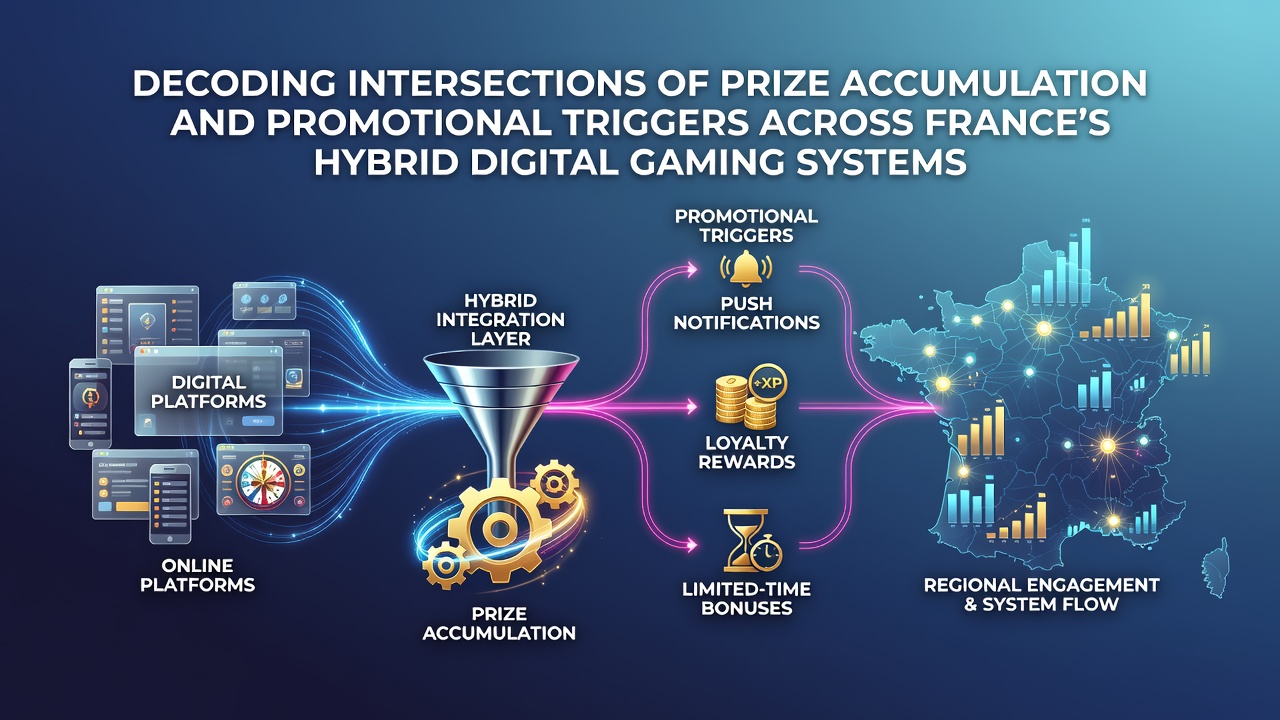
France's regulated gaming sector features hybrid digital systems that blend slot mechanics with lottery-style progressives, and these platforms manage prize accumulation through structured contributions from player wagers while promotional triggers activate additional bonuses at defined thresholds. Operators integrate these elements under oversight from the Autorité Nationale des Jeux, which enforces rules on how funds flow into shared pools and how time-limited offers align with outcome multipliers. Data from September 2026 indicates continued expansion of such hybrids, with operators reporting increased player engagement when accumulation rates sync with promotional calendars.
Regulatory Framework Governing Hybrid Operations
Hybrid systems in France operate within a framework that separates slot-style games from pure lottery draws yet permits their combination when progressive elements remain transparent, and this setup requires operators to allocate fixed percentages of stakes into central prize pools that grow until triggered by specific conditions. The Autorité Nationale des Jeux monitors these allocations to ensure compliance with accumulation caps adn distribution timelines. Observers note that platforms must document every promotional trigger event, which includes bonus rounds activated after cumulative bets reach preset levels or during designated periods, and this documentation supports audits that verify fair distribution across both slot and lottery components.
Mechanics of Prize Accumulation in Integrated Platforms
Prize accumulation occurs when a portion of each wager feeds into multiple layers of pools, starting with base jackpots that seed higher-tier progressives, and hybrid designs allow contributions from slot spins to influence lottery-style rollover amounts while separate triggers release accumulated value through matched bonuses. Researchers at institutions tracking European gaming patterns have mapped how seed amounts reset after major wins, typically within 24 to 48 hours, yet promotional overlays can accelerate growth by injecting temporary boosts funded from marketing budgets. Those who study transaction logs find that accumulation rates average between 1 and 3 percent of total stakes in compliant French systems, with adjustments applied during high-volume periods to maintain pool stability across interconnected games.
Promotional Triggers and Their Synchronization with Outcomes
Promotional triggers function as conditional events that release stored prize value when players meet criteria such as consecutive plays or total wager milestones, and in hybrid setups these events often coincide with lottery draw intervals to create layered payout opportunities. Platforms program these triggers to activate during off-peak hours or alongside new game releases, thereby redistributing accumulated funds without disrupting core progressive integrity. Evidence from operational reports shows that well-timed promotions increase pool drawdowns by measurable margins while preserving regulatory requirements for minimum return percentages. Operators achieve this balance through algorithmic monitoring that pauses or extends triggers based on real-time pool sizes and player activity metrics.

Technical Integration Across Slot and Lottery Hybrids
Technical frameworks link slot random number generators to lottery backend systems so that promotional triggers can draw from shared prize ledgers, and this integration demands precise timestamp synchronization to prevent overlaps that might violate payout fairness rules. Developers implement modular APIs that allow independent adjustment of accumulation rates and trigger conditions without affecting underlying game logic, which supports rapid response to regulatory updates issued in September 2026. Industry analyses reveal that such modularity reduces system downtime during promotional campaigns and enables cross-game contributions where a single wager advances both slot and lottery pools simultaneously. Data indicates these connections have grown more sophisticated, incorporating predictive models that forecast pool sizes based on historical trigger patterns.
Observed Patterns in Player Engagement and Pool Dynamics
Patterns emerge when promotional triggers align with natural accumulation cycles, leading to clustered payout events that clear multiple prize layers at once, and French platforms document these clusters through anonymized session data shared with oversight bodies. One documented sequence involved a series of mid-week promotions that accelerated a secondary progressive pool by 40 percent ahead of a scheduled lottery rollover, resulting in coordinated releases across participating games. External reviews from sources such as Autorité Nationale des Jeux reports confirm that these dynamics remain within approved variance limits, while comparative studies from the Australian Gambling Research Centre highlight similar synchronization techniques used in other regulated markets. Observers track how trigger frequency influences overall pool turnover rates without altering base game probabilities.
Conclusion
France's hybrid digital gaming systems continue to refine the intersections between prize accumulation mechanisms and promotional triggers through regulatory compliance and technical precision. Data compiled through September 2026 underscores the measurable effects of synchronized events on pool behavior and player activity across slot and lottery integrations. Continued monitoring by the Autorité Nationale des Jeux and parallel international research efforts supports transparent operations that balance accumulation growth with timely promotional releases. These systems demonstrate how structured contributions and conditional activations maintain equilibrium in regulated environments.